
Recombinant Monoclonal Antibodies
At Pronewbio, we recognize that antibody reproducibility is the cornerstone of translational research. Traditional hybridoma-derived antibodies are susceptible to genetic drift, loss of heavy/light chain pairing, and lot-to-lot variability. To overcome these critical bottlenecks, Pronewbio offers a premium portfolio of Recombinant Monoclonal Antibodies.
By identifying the exact DNA sequence of highly validated benchmark clones and expressing them in strictly controlled mammalian systems (CHO and HEK293), we provide research reagents that deliver absolute consistency, empowering your transition from basic discovery to preclinical drug development.
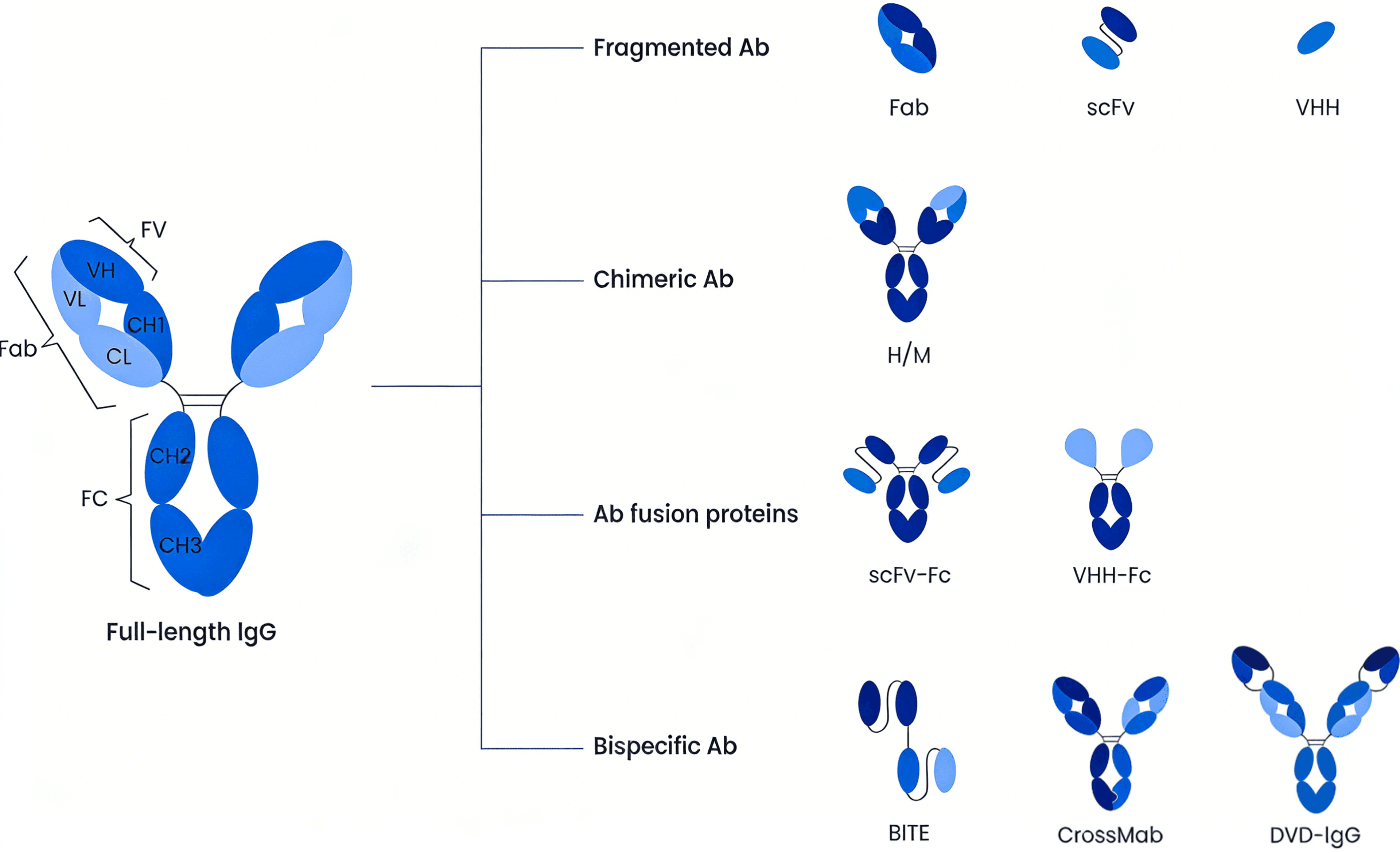
Core Technical Advantages of Recombinant Technology
Our recombinant expression platform fundamentally solves the limitations of traditional antibody production, offering four distinct advantages:
- Absolute Reliability and Reproducibility: Because our antibodies are produced from a defined genetic sequence in a standardized in vitro mammalian expression system, the influence of individual animal immune system variations is entirely eliminated. Every single batch delivers the exact same binding affinity and target specificity, drastically improving the reproducibility of your longitudinal studies.
- Ultra-High Purity and Low Background: Through advanced protein purification chromatography, we achieve exceptional purity profiles. Unlike ascites or serum-derived antibodies, our recombinant products are entirely free from contaminating host proteins and non-specific immunoglobulins. This ultra-clean profile significantly reduces background noise, making them ideal for high-sensitivity Flow Cytometry and complex Immunoprecipitation (IP) assays.
- Flexible Antibody Engineering: Having the genetic sequence allows for precise structural manipulation. Pronewbio supports comprehensive antibody engineering, including isotype switching, species chimera generation (e.g., humanization for drug prototypes), Fc-silencing to prevent unwanted immune cell activation, and formatting into scFv or VHH structures.
- Animal-Free Production Ecosystem: Our entire recombinant manufacturing pipeline relies on in vitro cell culture, completely bypassing the need for animal immunization or ascites expansion. This not only aligns with global ethical standards but also guarantees that your assays are safe from adventitious animal-derived viral or protein contaminants.
Strategic Research Applications
Pronewbio Recombinant Monoclonal Antibodies are subjected to rigorous, multi-platform validation to ensure they meet the demands of full-spectrum life science research:
- Protein Qualitative and Quantitative Detection: Highly validated for Western Blotting (WB), Enzyme-Linked Immunosorbent Assays (ELISA), and Immunofluorescence (IF), allowing for precise target localization and expression level analysis.
- Tissue and Cellular Localization: Optimized for Immunohistochemistry (IHC) on both formalin-fixed paraffin-embedded (FFPE) and frozen tissue sections to map target distribution within complex microenvironments.
- High-Parameter Cell Sorting: Perfectly suited for Flow Cytometry, enabling the specific isolation and phenotypic analysis of rare leukocyte subpopulations (supporting assays with over 1 M cells per run).
- Protein Interaction Profiling: Engineered for robust performance in Immunoprecipitation (IP) and Co-IP assays to accurately map functional protein-protein interaction networks.
- Functional Regulation and Target Engagement: Our ultra-low endotoxin recombinant formats are ideal for in vitro neutralizing assays, receptor blocking, and Antibody-Dependent Cellular Cytotoxicity (ADCC) evaluations.
- Preclinical Drug Discovery: Serve as flawless prototype molecules and target validation tools for screening novel biologics and determining precise binding kinetics (Surface Plasmon Resonance/Bio-Layer Interferometry).
Case Study
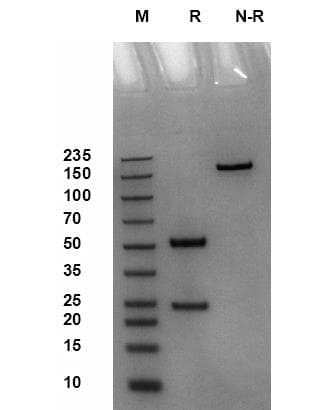
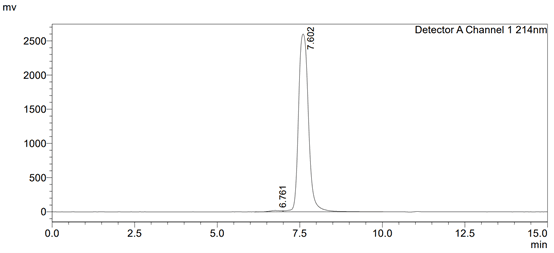
By leveraging our optimized rapid recombinant expression and purification platforms, Pronewbio can now deliver large, scalable quantities of high-purity Anti-Amyloid Beta 1-5 Antibody (Clone 3D6) in just 1 to 2 weeks. Analytical validation of this accelerated pipeline, as shown in the accompanying data, confirms exceptional quality with SDS-PAGE demonstrating precise chain assembly at greater than 95% purity and SEC-HPLC verifying greater than 99% monomeric homogeneity, guaranteeing absolute reagent reliability and aggregate-free performance for your critical, time-sensitive translational studies.
Frequently Asked Questions (FAQ)
1. What is the core difference between a recombinant monoclonal antibody and a traditional hybridoma antibody?
The fundamental difference lies in the production methodology and resulting stability. Traditional hybridoma antibodies rely on fusing immune cells with myeloma cells, which can suffer from genetic instability, loss of expression, and significant batch-to-batch variation over time. Recombinant antibodies are generated by cloning the specific antibody genes into expression vectors and producing them in controlled mammalian cell lines. This guarantees 100% sequence fidelity, superior purity, and the ability to engineer the antibody format.
2. How should I choose the correct host species for my recombinant antibody?
Selection depends on your target sample and assay type:
- Human-derived or Humanized: Essential for targeting human clinical samples, developing CAR-T therapies, or serving as drug development prototypes.
- Mouse-derived: The industry standard for broad diagnostic detection and foundational research, offering excellent validation data and cost-effectiveness.
- Rabbit-derived: Rabbit immune systems generate exceptionally high-affinity antibodies that recognize a broader diversity of epitopes, making them perfect for detecting difficult targets, small peptides, or specific post-translational modifications (like phosphorylation).
- Rat/Hamster-derived: Highly recommended for immunological studies conducted in mouse models to prevent cross-reactivity with endogenous mouse immunoglobulins.
3. Does Pronewbio support the engineering and customization of these recombinant antibodies?
Yes. Because we own the sequence data, Pronewbio can execute precise engineering modifications. We routinely perform isotype switching, species conversion (chimerization), and heavy/light chain modifications to support your specific assay requirements, therapeutic drug design, or diagnostic kit development.
4. What are the best practices for storing and handling recombinant monoclonal antibodies? As highly purified protein reagents, they must be stored at -20 C for long-term stability. Upon receiving the product, thaw the vial slowly on ice. Once thawed, gently pipette to mix; never vortex vigorously, as this causes protein shearing and denaturation. For immediate use, the antibody can be stored at 4 C for up to one week. To prevent activity loss, we strongly recommend aliquoting the stock solution into single-use volumes before freezing to strictly avoid repeated freeze-thaw cycles.
5. Can a single Pronewbio recombinant antibody be used across multiple different assay types?
Absolutely. We design and validate our recombinant clones to recognize native, exposed epitopes wherever possible. A vast majority of our catalog products are multi-assay validated, meaning a single vial can be seamlessly utilized across WB, IHC, Flow Cytometry, and ELISA. Please refer to the specific product datasheet for our optimized, assay-specific dilution recommendations.
6. Why is the "animal-free" aspect of recombinant antibodies important for my experiments?
Beyond ethical considerations, animal-free production is a major technical advantage. Traditional ascites fluid contains massive amounts of non-specific host animal antibodies, serum proteins, and potential cytokines. By utilizing a chemically defined, animal-free in vitro system, we eliminate these contaminants entirely. This drastic reduction in background noise is critical for high-precision assays like multiplex Flow Cytometry and functional cell-based screening.